The Most Scenic Drives in New Zealand for RV Travel
Author: The Good Guides Date Posted:16 January 2026
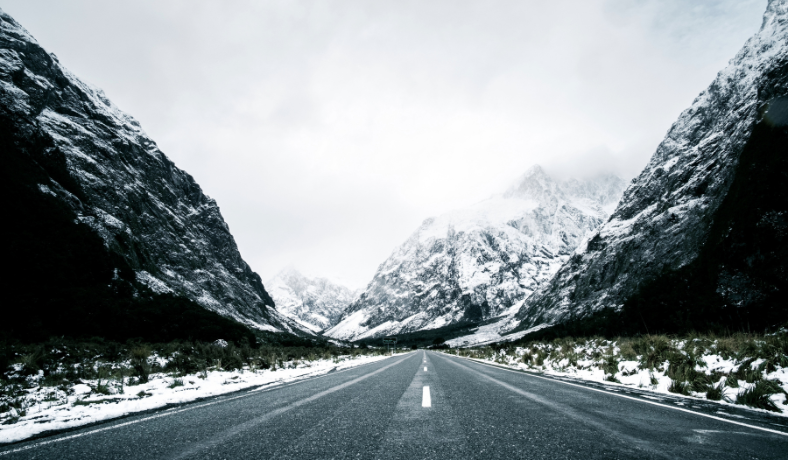

If you’re planning a New Zealand self-drive holiday, you’re in for a treat – some of the best roads in New Zealand were made for exploring by campervan. From winding coastal stretches to alpine passes and quiet rural backroads, the country’s landscapes come alive when you take them in from behind the wheel.
Top New Zealand drives at a glance
To help you plan the perfect road trip itinerary, we’ve pulled together the best campervan routes in New Zealand. We’ll cover North Island scenic drives and South Island scenic drives that show off the country at its finest, including:
- Twin Coast Discovery – A loop through Northland that blends classic beaches with rich Māori heritage.
- Pacific Coast Highway – A sunlit trail of bays and surf towns stretching from the Coromandel to East Cape.
- Thermal Explorer Highway – A drive through geysers, glowworm caves and vineyard-dotted countryside.
- Forgotten World Highway – A rugged detour of remote valleys, historic trails and hand-carved railway tunnels.
- Great Alpine Highway – A half-day journey from wide Canterbury plains into rainforest and peaks.
- West Coast Wilderness Drive – Wild coastlines, Pancake Rocks and glacier country rolled into one.
- Southern Scenic Route – A southern sweep of waterfalls, sea lions and the gateway to Fiordland.
- Lakes & Peaks Loop – Big basins, alpine passes and the contrast of Queenstown buzz with Aoraki stillness.
- Milford Road – A dramatic valley drive that finishes at one of the world’s great fiords.
Best scenic drives in New Zealand
Here’s a closer look at some of the best scenic drives in New Zealand, with quick pointers on what makes them special and the must-see stops along the way.
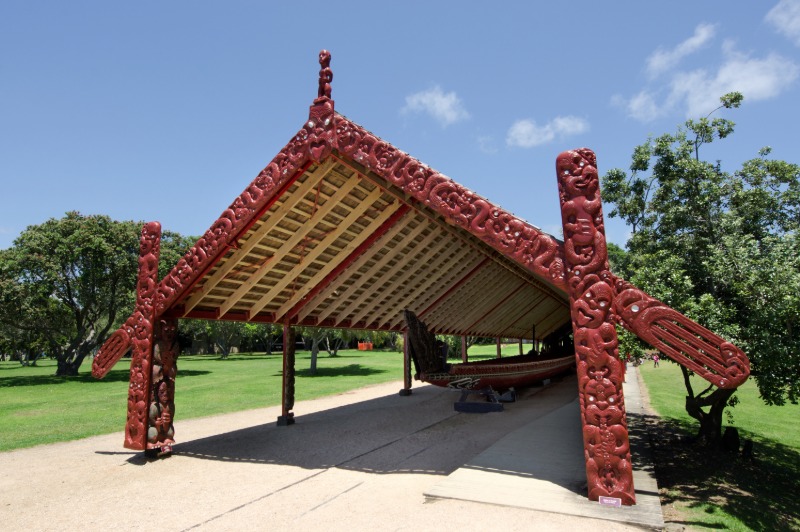
Twin Coast Discovery – Northland
Why drive it: This loop links two very different coastlines – the calm harbours of the west and the wave-pounded Pacific beaches of the east. As you drive along the Twin Coast Discovery route, you’ll pass ancient kauri forests, historic sites and seaside towns where fish and chips taste even better by the beach.
Must-see stops:
- Waipoua Forest and Tāne Mahuta, the country’s largest kauri tree
- Ninety Mile Beach at low tide
- Waitangi Treaty Grounds for insights into Aotearoa’s founding story
Where to stay: At the northern end of the route, Ahipara TOP 10 Holiday Park puts you right by the beach. Powered campervan sites are sheltered by greenery, and the park is a convenient base for exploring Ninety Mile Beach and the wider Far North.
Pacific Coast Highway – Auckland to East Cape
Why drive it: This North Island scenic drive is all about variety – golden sand beaches, summer pōhutukawa blooms, and local food markets that tempt you to stay a little longer. It’s a route where each bay feels different, from sheltered coves to long stretches of surf.
Must-see stops:
- Cathedral Cove by kayak for a close-up view of its natural arch
- Hot Water Beach, where you can dig your own pool two hours either side of low tide
- Sunrise at East Cape Lighthouse, the first place to see the sun each day
Where to stay: In the heart of the Coromandel, Hahei Holiday Resort is an easy walk to the beach and a short hop from Cathedral Cove. Powered campervan sites come with sea views or garden settings, and the location makes it simple to balance beach time with local walks and boat tours.
Thermal Explorer Highway – Auckland to Hawke’s Bay
Why drive it: Stretching through the heart of the North Island, the Thermal Explorer Highway is packed with variety, with something bubbling, steaming or sparkling every hour or so. From film-famous farmland to geothermal parks and rolling wine country, it’s a drive that delivers both big-name stops and quiet surprises.
Must-see stops:
- Hobbiton film set near Matamata
- Wai-O-Tapu’s Champagne Pool
- Hawke’s Bay cellar door cycle trail
Where to stay: On the Hawke’s Bay coast, Waipatiki Beach Holiday Park has powered campervan sites just a short walk from the sand. The setting is relaxed and surrounded by native bush, with easy access to both the beach and nearby walking tracks.
Forgotten World Highway – Taumarunui to New Plymouth
Why drive it: Known as one of New Zealand’s quietest state highways, the Forgotten World Highway is a winding route that takes you through bush-clad gorges, old rail tunnels, and into the quirky self-declared Republic of Whangamōmona. It feels remote, yet rewarding, with plenty of character along the way.
Must-see stops:
- Whangamōmona Hotel for a novelty stamp in your “passport”
- Mt Damper Falls, reached by a short bush track
- Surf Highway detour circling the base of Mt Taranaki
Where to stay: Just south of New Plymouth, Ōakura Beach Holiday Park is a lovely base for exploring both the city and the Surf Highway, while still offering a relaxed coastal setting to wind down after the drive.
.jpeg)
Great Alpine Highway – Christchurch to Greymouth (via Arthur’s Pass)
Why drive it: You can cross from coast to coast on the Great Alpine Highway in just five hours, but if possible, this road is worth stretching over two days. Alpine valleys, dramatic waterfalls and curious kea parrots make the journey as memorable as the destination.
Must-see stops:
- Castle Hill’s limestone boulders
- Devil’s Punchbowl Falls in Arthur’s Pass National Park
- A sunset driftwood bonfire on Greymouth beach
Where to stay: On the western side of Arthur’s Pass, Jackson’s Retreat combines powered campervan sites with a backdrop of alpine bush. The park has its own short forest tracks and sheltered outdoor spaces, giving you a comfortable pause before rolling on towards the West Coast.
West Coast Wilderness Drive – Punakaiki to Haast
Why drive it: The stretch of road between Punakaiki and Haast feels remote and wild, squeezed between the Southern Alps on one side and the Tasman Sea on the other. Waterfalls tumble down cliffs, rivers run bright blue, and small towns break up the long, scenic drive.
Must-see stops:
- Blowholes at Punakaiki’s Pancake Rocks
- Franz Josef Glacier heli hike
- Hokitika Gorge swing bridge
Where to stay: Near the heart of glacier country, Franz Josef TOP 10 Holiday Park is close to the township’s cafés and hot pools, and it makes an excellent base for glacier walks or scenic flights.
Southern Scenic Route – Dunedin, Catlins, Fiordland
Why drive it: Winding its way through the deep south, the Southern Scenic Route strings together wildlife encounters, waterfalls and remote coves, often without the crowds found in other regions. It’s a route that feels unhurried, with plenty of reasons to pause between Dunedin and Fiordland.
Must-see stops:
- Tunnel Beach sea arch near Dunedin
- Purakaunui Falls in the Catlins
- Mirror Lakes on the road to Milford Sound
Where to stay: In the heart of Fiordland, Te Anau Lakeview Holiday Park looks out over the lake and mountains. It’s an easy walk into town and a handy base before driving the Milford Road or joining a Doubtful Sound cruise.
.jpg)
Lakes & Peaks Loop – Queenstown, Wānaka, Aoraki/ Mt Cook
Why drive it: Few routes pack in so many South Island icons. This loop combines Queenstown’s high-energy activities, Wānaka’s lake and mountain trails, and the soaring presence of Aoraki / Mt Cook, the country’s tallest peak.
Must-see stops:
- Arrowtown’s historic gold rush village
- Roys Peak track for a sunrise climb
- Tasman Glacier boat trip near Mt Cook Village
Where to stay: Lakes Edge Holiday Park is a handy stop between Wānaka and Mt Cook, with lake views and easy access to hot pools, local walks and the Mt John Observatory for stargazing.
Milford Road – Te Anau to Piopiotahi
Why drive it: Often called one of the world’s great alpine drives, this 120-kilometre stretch winds through hanging valleys, granite cliffs and narrow bridges before finishing at Piopiotahi / Milford Sound. It’s a drive where every bend feels like a new postcard view.
Must-see stops:
- Eglinton Valley and its mirror-like grasslands
- The short track to the Chasm waterfall
- A Milford Sound cruise beneath Stirling Falls
Where to stay: There are no powered sites between Te Anau and Milford. It’s best to base yourself in Te Anau, then fill tanks before setting out. Along the road, DOC offers a series of simple self-contained campervan areas if you want to overnight closer to the fiord.
Essential gear & recommendations
A long trip across both islands calls for a bit of extra kit to keep things comfortable and practical. Here are some useful upgrades worth considering before you set out:
-
200W solar panel kit: If you’re planning a few freedom camping stops, a solar power kit will help keep your batteries topped up without relying on powered sites.
-
140L water tank upgrade: Travelling the West Coast means fewer service points. A larger water tank gives you more flexibility between refills.
-
Fold-flat camp chairs: For evenings by the lake or beach, camping chairs with extended backrests make sunset viewing even more enjoyable.
-
Pest control: Sandflies and mosquitoes are part of life on the road, especially in summer. Stock up on pest control products to keep your camper comfortable and bite-free.
-
Onboard internet: Staying connected is easier with reliable mobile data. RV Super Centre stocks broadband and internet solutions designed for motorhome travel, so you can check maps, stream or stay in touch wherever you’re parked.
Need more inspiration? Check out our buyer guides: What you need for the ultimate RV campsite set-up and must-have motorhome items to be prepared for anything.
.jpg)
Seasonal & safety tips
A little planning goes a long way when you’re tackling long distances in a campervan. Here are some seasonal insights and safety tips to help keep your trip running smoothly:
-
North Island summers: Expect warm days around 26 °C, but it’s the humidity that can make nights feel sticky. Insect screens or portable fans are your friends if you’re camping by the coast or lakes. Pack light cotton clothing and keep windows cracked for airflow but always use screens to keep sandflies and mozzies out.
-
Alpine highways: Roads like Arthur’s Pass, Haast Pass and the Milford Road are spectacular, but they can close quickly after heavy rain, snow or slips. It pays to check the NZTA journey planner each morning and allow extra time if conditions look marginal. Carrying snow chains is mandatory in winter on some routes and hiring them locally is easy if you don’t own a set.
-
Shoulder seasons: April and October are underrated months for road trips. Campsites are quieter, there’s still good daylight for scenic drives, and you’ll often find more flexible ferry and activity bookings. Nights can be chilly, though, so thermal layers and a good heater setup make all the difference.
-
Cook Strait ferries: Interislander and Bluebridge sailings book out fast in summer and during school holidays. Aim to book at least two weeks ahead to get the time of day you want. Morning sailings are usually calmer if you’re prone to seasickness.
-
West Coast travel: South of Haast, you’ll find fewer service stations and limited gas refill points. Carry two gas bottles if you’re planning to spend time in DOC campsites or off-grid spots. It’s also smart to top up fuel whenever you see a station rather than waiting until the gauge is low.
-
Daylight hours: In mid-summer, the sun can stay up past 9 pm, while winter evenings close in by 5 pm. Plan your driving so you’re off the road before dark, especially on rural or alpine routes where wildlife, frost and narrow shoulders can make night driving tricky.
-
Weather apps: Conditions can shift fast, even within the same day. Download apps like MetService or Windy and set alerts for the regions you’re travelling through. They’ll give you a clearer picture than just relying on the forecast from a few days earlier.
.jpg)
Campsites, holiday parks & freedom-camping etiquette
Finding the right place to park up each night is part of the fun, but it comes with a few responsibilities. A little courtesy goes a long way towards keeping New Zealand’s best overnight spots open to campervans.
-
Check the rules first: Apps like CamperMate are your best friend for finding approved overnight locations and dump stations. They’re updated regularly, so you’ll know exactly where freedom camping in NZ is permitted.
-
Respect quiet hours: Most campsites ask for quiet between 10 pm and 7 am. Keep music low, use headphones if you’re streaming, and think of your neighbours who might be up early for hikes or long drives.
-
Leave no trace: Always aim to leave a site cleaner than you found it. Dispose of rubbish properly, empty tanks at designated dump points, and keep greywater contained if you’re freedom camping.
Following these simple steps keeps the camping culture positive and helps ensure that self-contained vans continue to be welcome across both islands.
Ready to hit the road?
Whether you’re eyeing up a quick coastal run or planning the full South-to-North loop, these drives are some of the best ways to see the country. Before you head off, check out our range of motorhome gear and accessories and dive into more of our RV travel guides.