Must-See Spots on a 3-Month NZ RV Trip
Author: The Good Guides Date Posted:17 January 2026
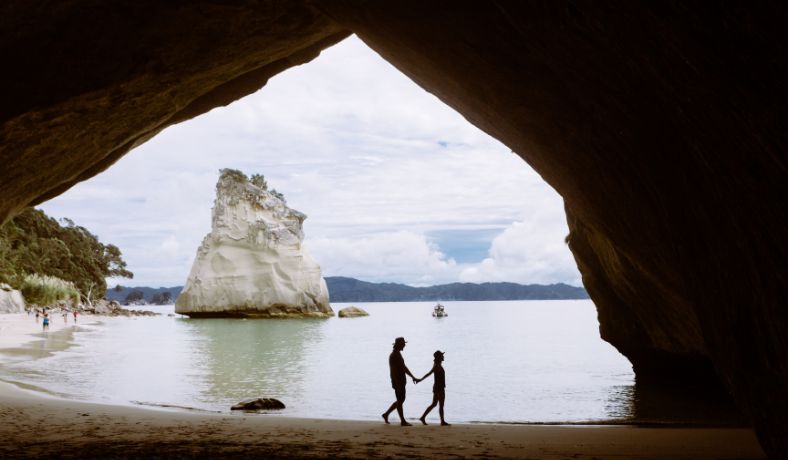

Spending 3 months in New Zealand gives you the rare chance to slow down and really explore. Not to just tick off the highlights, but connect the dots between them. From the must-see places in NZ to the lesser-known gems you’ll only hear about at a local bakery, this loop pulls together the very best sights to see in New Zealand into one flexible, campervan-friendly route.
We’ve planned a full-circle drive starting and ending in Auckland, along with suggestions for where to stop, stay, and stretch your legs along the way.
Month 1: North Island icons
The first few weeks ease you in with a solid mix of coast, culture and geothermal sights and scenes.
Auckland & Hauraki Gulf Islands
Why stop: As far as first stops go, Auckland ticks a lot of boxes – good food, buzzing harbour life and easy access to the islands. You can catch a ferry to Rangitoto for lava trails and coastal walks, or head to Waiheke for a day of cellar doors and vineyard views. There’s also plenty of campervan parking around central highlights like the Auckland Museum or Wynyard Quarter’s eateries.
Time-saving tip: Ferry slots can fill fast in peak season, especially to Waiheke. Booking online gives you more choice on departure times. While you’re in the city, stock up on groceries and essentials – you’ll have more options and better prices than the smaller coastal towns ahead.
READ MORE: 10 weekend getaways from Auckland
Where to stay: Freedom camping is allowed in many parts of the Auckland region, provided you follow the local guidelines and stay in a certified self-contained vehicle.
Coromandel Peninsula
Why stop: Coromandel packs a lot into a compact corner of coastline. It’s home to Cathedral Cove, worth the walk for its natural rock arch, and Hot Water Beach, where you can dig your own hot pool right on the sand. Inland, the region’s ancient kauri forests offer a quieter contrast to the coast.
Time-saving tip: If you’re heading to Hot Water Beach, check the tide charts and aim to dig your spot about two hours before high tide. Parking at the Hahei visitor carpark early in the day gives you the best chance of avoiding queues, especially during weekends and holidays.
Where to stay: Right in the thick of it, Hot Water Beach TOP 10 Holiday Park is a handy base with powered campervan sites just a short walk from the sand.
.jpg)
Bay of Plenty & Rotorua-Taupō corridor
Why stop: This stretch offers a mix of surf, steam and scenery. The beaches around Mount Maunganui are popular for good reason, while Rotorua turns up the geothermal action with geysers, bubbling mud and Māori cultural experiences. Taupō rounds things off with lakefront walks, waterfalls and a solid choice of campsites.
Time-saving tip: Combo passes are a smart way to experience both Rotorua’s Wai-O-Tapu and Te Puia without doubling up on entry fees. Planning to tackle the Tongariro Alpine Crossing? Book your shuttle in advance – parking at the trailhead is limited.
Where to stay: In Taupō, DeBretts Holiday Park is a long-time favourite for campervan travellers. It has powered motorhome sites with lake views and the bonus of its own thermal pool complex on-site.
Taranaki Surf Highway 45
Why stop: The loop around Mt Taranaki is a scenic detour with a strong local feel. The drive hugs the coast and serves up a mix of surf beaches, classic fish and chips, and short walks through lush bush. If the weather plays nice, the symmetrical peak of Taranaki makes for a striking backdrop.
Time-saving tip: Do the full ring road during daylight to catch the best views and avoid driving narrow rural roads after dark. Fuel up in Ōpunake or Ōakura as some of the smaller towns have limited fuel options.
Where to stay: Right on the beach, Ōakura Beach Holiday Park has powered campervan sites just a short stroll from the water. The location makes it easy to explore both the coast and the national park.
Wellington
Why stop: Compact and creative, Wellington is packed with culture, eats and easy walking. Te Papa Museum is a standout, but you’ll also find native wildlife at Zealandia, quirky shops along Cuba Street and plenty of craft beer on tap. It’s also the gateway to the South Island and a natural pause point before the ferry.
Time-saving tip: Book both ferry crossings early, especially if you’re travelling during school holidays or long weekends. Booking ahead lets you pick the times that best fit your route.
Where to stay: Just 15 minutes from the CBD, Wellington TOP 10 Holiday Park is well set up for campervans. While it’s not right in the city, there’s public transport nearby or it’s a quick drive in. The park has a peaceful, leafy setting and plenty of space to unwind before your South Island leg begins.
.jpeg)
Month 2: Southern Island highlights
Welcome to the South Island! This stretch blends golden beaches and alpine passes with cellar doors, walking tracks and classic Kiwi detours – ideal country for campervan travel.
Nelson & Abel Tasman
Why stop: With long daylight hours and some of the country’s best coastal weather, this region is made for outdoor exploring. Abel Tasman National Park is famous for its easy-access walking track and golden sand beaches, while Nelson’s weekend markets and galleries give you a taste of the local flavour.
Time-saving tip: For day walks in Abel Tasman, aim to hit the trail early as water taxi queues can build quickly in summer. Starting at first light gives you more space on the track and more time for swim stops.
Where to stay: Kaiteriteri Recreation Reserve Campground puts you right on the beach with powered sites just steps from the water. It’s a popular spot, but the location is unbeatable for direct access to the park’s southern entrance.
Marlborough Sounds & Wine Country
Why stop: This part of the country blends peaceful coastal inlets and a world-class wine region. Take a Queen Charlotte Sound mail boat cruise to reach off-the-grid bays or stick to dry land and explore the cellar doors around Blenheim. With wide-open roads and gentle terrain, it’s an easy drive between both.
Time-saving tip: Booking a combo package for the mail-boat cruise and a wine shuttle can help you cover more ground without long gaps between bookings.
Where to stay: Just a few minutes from the ferry terminal, Tasman Holiday Parks Picton offers powered sites in a quiet setting. It’s also within walking distance to shops, cafés and the marina – handy if you’re hopping on a cruise or heading out on foot.
Kaikōura Coast
Why stop: The stretch between Blenheim and Christchurch rewards early risers, especially in Kaikōura where the sun comes up behind the Seaward Kaikōura Range and casts a glow over the coast. Whale watching is the big draw, but you’ll also find fresh crayfish sold roadside and coastal tracks with wide ocean views.
Time-saving tip: Tours are quieter and often better value mid-week. If you’re planning a boat trip or flight, check the marine forecast as swells can affect sailings and visibility.
Where to stay: For a true beachfront stay, Kaikōura Peketa Beach Holiday Park is hard to beat. Set right on the coast just south of town, it offers powered sites with direct access to the beach – ideal for morning coffee with a sea view. It’s also quieter than some in-town options, while still being close enough to reach tour operators and supermarkets within a few minutes' drive.
(1).jpg)
West Coast Wilderness
Why stop: The West Coast’s wild feel is part of its charm. From the bright blues of Hokitika Gorge to the layered cliffs at Punakaiki’s Pancake Rocks, this stretch is packed with short stops that don’t require big detours. Franz Josef and Fox glaciers offer easy walking tracks, or a chance to see them by air if you’re feeling brave.
Time-saving tip: Tides matter at Pancake Rocks. Visit at low tide to catch the blowholes in action. For glacier experiences, booking a heli-hike or scenic flight ahead of time avoids last-minute disappointment, especially in changeable weather.
Where to stay: Punakaiki Beach Camp sits just metres from the beach and a short walk from the Pancake Rocks trail. The setting is rugged and peaceful, with a handful of powered campervan sites tucked between native bush and sea. It’s a great base for exploring this quieter part of the coast without having to drive far.
Arthur’s Pass & Canterbury Heartland
Why stop: This inland route cuts through alpine scenery before easing into the patchwork plains of Canterbury. Arthur’s Pass is known for dramatic roadside views and short walks to waterfalls and lookouts. From there, you’ll roll into Christchurch and out again along the scenic drive to Banks Peninsula.
Time-saving tip: Greymouth and Springfield are your best bets for fuel before or after crossing the pass. In Christchurch, the Explorer Bus makes it easier to see the spread-out sights without navigating city traffic in a campervan.
Where to stay: Set in a native forest clearing, Jackson’s Retreat offers powered sites with a peaceful atmosphere right on the West Coast side of Arthur’s Pass.
Aoraki / Mt Cook & Central Otago Rail Trail
Why stop: Big skies, glacier-fed lakes and high-country views make this region a standout. Aoraki / Mt Cook sits within a dark-sky reserve, and nearby Lake Pukaki and Lake Tekapo are known for their unreal colour. South of the peaks, the Central Otago Rail Trail offers a relaxed ride through old gold towns and wide valleys.
Time-saving tip: Both stargazing tours and rail trail bike hire can book out during busy months. Sorting these ahead of time helps lock in the dates that suit your route best.
Where to stay: Lakes Edge Holiday Park in Tekapo sits right on the lakefront with views across to the mountains. Campervan sites are close to the water, and you’ll find walking tracks and hot pools nearby.
.jpg)
Queenstown / Wānaka & Fiordland National Park
Why stop: This part of the South Island packs in a bit of everything. Queenstown is known for its high-energy experiences, from jetboats to bungy jumps, while Wānaka offers a more laid-back vibe with lake walks and good food. Te Anau is the base for exploring Fiordland – the launching point for day trips to Milford and Doubtful Sounds.
Time-saving tip: Booking your fiord cruise and any Queenstown activities in one go can help line up transfers and avoid backtracking. It also makes it easier to plan overnight stops with a bit of breathing room in between.
Where to stay: Te Anau Lakeview Holiday Park is a popular campervan base with a peaceful lakeside setting and mountain views. It’s within walking distance of the town centre and just down the road from the Fiordland Visitor Centre.
Catlins & Otago Peninsula
Why stop: Remote and rugged, this southern stretch is all about wildlife and coastline. Expect waterfalls, windswept headlands and the chance to see yellow-eyed penguins if you time it right. The Otago Peninsula is also home to albatross colonies and scenic drives with sweeping sea views.
Time-saving tip: Early starts give you a better shot at penguin sightings, particularly at Curio Bay or Roaring Bay. Bring binoculars and warm layers. It can be chilly, even in summer.
Where to stay: Papatowai Campsite is a DOC-managed site just off the Southern Scenic Route. It’s simple but well located, with flat grassy spaces for campervans and walking access to the nearby estuary and bush tracks.
Month 3: Return Loop North
The final leg of the loop starts heading back up the South Island, linking coastal towns, garden cities and vineyard stops before crossing back to the North. It’s a good time to slow the pace, revisit favourites or fit in the stops you missed earlier.
Te Anau → Dunedin
Why stop: Dunedin is full of character, with heritage buildings, steep streets and a Scottish flavour that sets it apart. The Octagon is the centrepiece, surrounded by cafés and galleries. Larnach Castle is worth a visit, and the Otago Peninsula delivers close encounters with penguins, seals and albatross.
.jpeg)
Time-saving tip: Leave Te Anau early and factor in a coffee break in Gore. It’s one of the bigger towns on the inland route and has a few decent bakeries to fuel the drive.
Where to stay: Dunedin Holiday Park is close to both the city centre and St Kilda beach. It provides powered sites with a sheltered, garden-like setting, and it’s an easy base for exploring both town and the Otago Peninsula.
Dunedin → Christchurch
Why stop: This leg follows the east coast, with Timaru’s Caroline Bay making a good midway pause. Christchurch has rebuilt with a fresh energy – street art, innovative architecture, and riverside spaces give the city a modern feel while landmarks like the Botanic Gardens and Canterbury Museum connect it to its past.
READ MORE: Campervan weekend trips from Christchurch
Time-saving tip: Plan your Timaru stop around lunchtime. It helps you avoid queues at popular cafés and breaks up the drive without needing an overnight detour.
Where to stay: Christchurch TOP 10 Holiday Park is one of the better-equipped options in the city, with modern facilities and powered sites in a leafy setting.
Christchurch → Picton → Wellington
Why stop: This leg links the South and North Islands, with plenty to enjoy before and after the ferry. Picton is more than a transport hub, it’s the access point to the Marlborough Sounds, with walking tracks, kayak rentals and a laid-back waterfront. Back in Wellington, you might explore Zealandia ecosanctuary, sample the city’s craft beer scene or browse the boutiques along Cuba Street.
Time-saving tip: Book your Picton–Wellington ferry early, particularly if you want a deck seat or a specific sailing time. If possible, give yourself a buffer day in Picton in case of schedule changes due to weather.
Where to stay: Head back to Wellington TOP 10 Holiday Park for a reliable base when you return to the North Island.
Wellington → Wairarapa → Napier
Why stop: This leg cuts through the lower North Island’s wine and design regions. Martinborough is known for its compact cluster of vineyards, many within easy reach of the village square. Napier brings something different with its Art Deco architecture, coastal views and a walkable city centre filled with local eateries and galleries.
Time-saving tip: Hire a bike in Martinborough and follow the wine trail. The cellar doors are close together, and cycling makes it easy to visit a few in one go without needing to shuffle the campervan.
Where to stay: Martinborough TOP 10 Holiday Park is set just a few minutes' walk from the centre of town, which means you can park up and leave the van while you explore.
.jpeg)
Napier → Taupō → Hamilton
Why stop: This inland leg offers a mix of lake views, powerful waterfalls and underground wonders. Coming into Taupō from the coast gives you a scenic drive followed by a stop at Huka Falls, one of the country’s most photographed spots. From there, Hamilton adds a touch of greenery with its botanic gardens, while nearby Waitomo delivers a different kind of scenery with its famous glowworm caves.
READ MORE: Exploring the best cycle trails in Taupō
Time-saving tip: Twilight tours at Waitomo are usually quieter and offer a slightly different atmosphere. Booking ahead helps avoid the daytime rush and adds flexibility if you're running behind schedule.
Where to stay: Hamilton City Holiday Park is just a short drive from the city centre and close to main routes north. It offers powered sites in a quiet, tree-lined setting, with easy access to both the gardens and the Waitomo area.
Hamilton → Auckland
Why stop: This final stretch returns you to Auckland. It’s worth setting aside time for one last harbour-side meal or a wander through the city’s waterfront districts before returning your campervan or heading home.
Time-saving tip: If you're heading into Auckland midweek, aim for a late-morning arrival to avoid rush hour. Parking is easier near the waterfront around lunchtime, and it's a good time to grab a final meal with a view.
Which month is best to visit New Zealand?
There’s no single “best” time to spend 3 months in New Zealand travelling by campervan. It depends on what kind of trip you’re planning and how you like to travel. Here’s a general guide to help you match the seasons to your travel style:
- Summer (December – February): Warm weather, long daylight hours and busy campsites. Good for swimming, hiking and beach stops, but you’ll need to book popular spots in advance. Expect crowds in places like Queenstown, Abel Tasman and Rotorua.
- Autumn (March – May): Quieter roads, mild temperatures and fewer tourists. Autumn brings clear days and colourful scenery in regions like Central Otago and the Wairarapa. Great for scenic drives, wine trails and less hurried travel.
- Winter (June – August): Crisp days in the North Island and snow in the South. You’ll find a mix of ski season buzz and peaceful campgrounds. Be prepared for cold nights, icy roads and occasional alpine pass closures.
- Spring (September – November): A good shoulder-season option with fewer crowds, fresh greenery and spring waterfalls in full flow. The weather can still be changeable, but prices are often lower and tracks less busy.
.jpg)
Essential gear & RVSC recommendations
When you're on a campervan road trip for weeks or months, the small upgrades can make a big difference. Here are a few items of gear worth adding to your kit before heading off.
- Levelling ramps: Not every campsite is perfectly flat, and a good night’s sleep is hard to come by on a lean. Lightweight levelling ramps are easy to pack and make a big difference when parking on uneven ground.
- Reversing camera: If your campervan doesn’t already have one, a reversing system is a worthwhile investment. It takes the stress out of tight spots and makes life easier when navigating busy campgrounds or backing into that perfect lakefront site.
- Efficient fridge setup: A reliable fridge makes a big difference when you’re travelling for weeks at a time. Whether you’re upgrading or fitting out your camper, the right 12V campervan fridge helps reduce power use, keeps food fresher for longer, and saves those extra supermarket runs.
- Solar power kits: Planning to freedom camp or stay off-grid? Adding a solar power system gives you more independence. Portable or fixed-panel options let you top up your battery during the day and stay powered without relying on mains hookups.
- House battery upgrades: Good battery storage is the backbone of any reliable camper power system. If your current setup isn’t lasting the distance, consider investing in house batteries designed for deep cycling — they’ll help run essentials longer and recharge more efficiently.
- Bike racks and accessories: When you're parked up for a few days, having bikes on board opens up more ways to explore. A sturdy bike rack gives you the flexibility to ride into town, hit nearby trails, or leave the camper behind for a while.
- Safety gear: It's not the flashiest part of your packing list, but the right safety equipment is essential. A properly rated fire extinguisher, a stocked first aid kit, and basic security gear should always be on board, especially when travelling long distances or staying off-grid.
- Toilet consumables: Long trips mean looking after the little things too. Stock up on toilet chemicals and consumables to keep your cassette system clean, odour-free and easy to empty — it'll make every stop that little bit more pleasant.
Need more ideas? Have a look at our guide on must-have motorhome items to be prepared for anything. It’s full of practical suggestions and staff picks to help set you up for a smoother trip.
Ready to plan your own route?
Whether you’re mapping out the full 90-day loop or picking a few highlights to start with, having the right setup and support makes all the difference. Explore our full range of campervan gear and accessories, check out the latest travel guides and talk to the RV Super Centre team for help tailoring your trip. We’re here to make sure you’re road-ready, wherever the map takes you.