The Best Times for Long-Term RV Travel
Author: The Good Guides Date Posted:19 January 2026
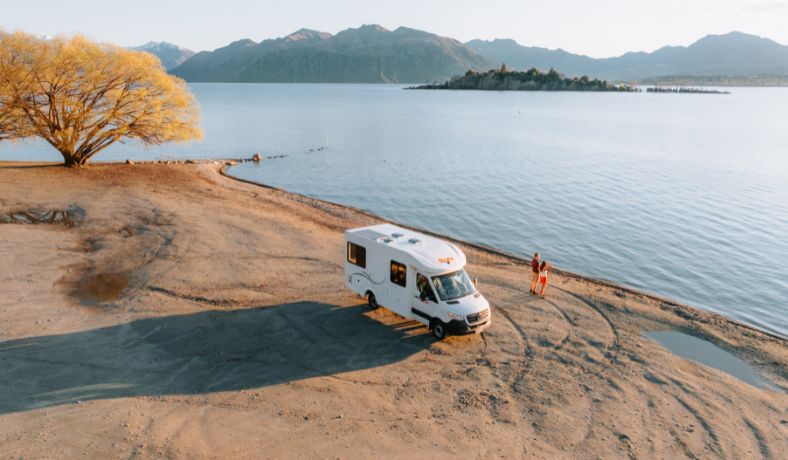

Whether you’re planning a multi-week campervan trip or something a little more open-ended, timing your travels can make a real difference. New Zealand’s seasons each offer something unique, from daylight hours and weather patterns to campground availability and travel costs. This helpful guide to long-term RV travel in New Zealand breaks down what to expect throughout the year – helping you choose the best time to travel New Zealand based on your plans, preferences and travel style.
Summer (December–February)
Long days, warm nights, and the hum of holidaymakers – summer is when New Zealand truly shifts into outdoor mode.
Highlights of long-term RV travel in summer
Expect daytime highs ranging from 20 °C to 30 °C in the North Island, and slightly cooler conditions in the South, hovering between 18 °C and 25 °C. That warmth, paired with up to 15 hours of daylight, gives you plenty of time to explore, swim, or just relax outside without racing the sun.
The vibe in summer is classic Kiwi: barbecues sizzling at the campground, live music in the park, and night markets that spill out into the streets. Coastal towns like Mount Maunganui, Ōhope, and Kaiteriteri are in full swing, with local events, surf patrols, and plenty of family-friendly activities to dip into along the way.
This is also a great time to experience the full social side of RV life. Campgrounds feel more like mini villages in summer, and there’s no shortage of friendly chats over shared meals, travel tips, and sunset drinks.
Challenges of long-term RV travel in summer
With all the buzz comes a few practical trade-offs. This is peak season, which means higher site fees, busy highways, and limited availability at popular DOC and holiday park sites. Some travellers lock in their summer campsites up to a year ahead – a solid plan if you're eyeing beachfront spots.
The sun is another factor to take seriously. New Zealand’s UV index regularly reaches extreme levels, and sunburn can set in after just ten minutes without protection. Lightweight long sleeves, a wide-brim hat, and decent sunscreen are essentials – and for extra shade at your site, an awning sun-screen makes a noticeable difference.
RVSC tip: Pack a Coast RV rollout awning screen to help cut down heat and UV exposure during the hottest part of the day.
Summer verdict: A great choice for those who thrive in warm weather and don’t mind a bit of hustle and bustle in exchange for long days, lively towns and prime swimming conditions.
.jpg)
Autumn (March–May)
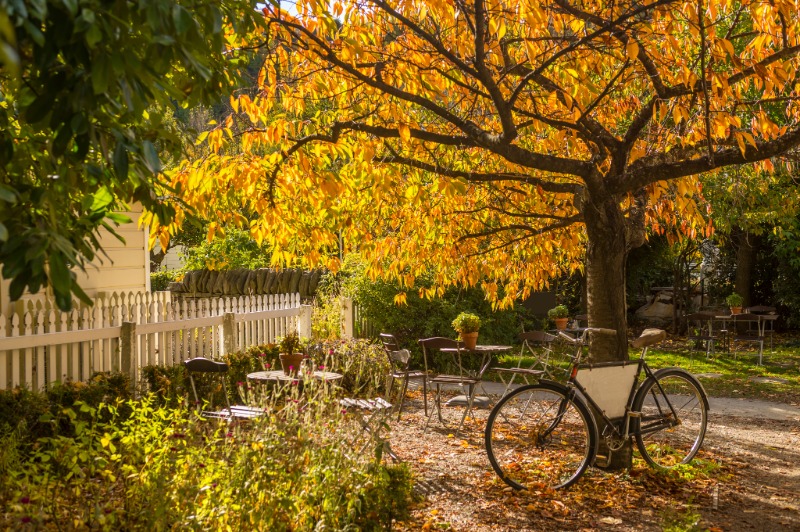
Autumn is one of New Zealand’s most underrated times for long-term RV travel. As the summer crowds thin out, the pace on the road settles, and the landscape shifts into a palette of golds, reds and deep oranges.
Highlights of long-term RV travel in autumn
Temperatures during the day tend to sit between 14 °C and 22 °C, cool enough to be comfortable for walking and cycling, but still warm enough for alfresco lunches. Early mornings can be crisp, but they also bring clear skies and misty backdrops that make for great photos.
Some of the best autumn colour can be found in places like Arrowtown, Central Otago, and the Wairarapa, where the changing leaves turn entire valleys into a sea of copper and gold. It’s also harvest time in the wine regions, so if you're planning to explore places like Marlborough or Hawke’s Bay, you’ll find cellar doors in full swing with tastings, events and local produce on offer.
Fewer tourists on the road also means fewer queues at attractions, easier parking in small towns, and more relaxed evenings at campgrounds – a win for long-haul travellers.
Challenges of long-term RV travel in autumn
While daytime temperatures stay pleasant, overnight lows can dip below 5 °C, particularly inland or in higher-altitude areas. If you’re heading into alpine regions or more remote DOC sites, early frosts and damp mornings are something to prepare for.
Autumn also brings more frequent showers and the occasional cold snap, which can affect road conditions – especially on alpine passes. With daylight hours slowly reducing as winter approaches, it’s worth planning shorter drive days and making the most of early starts.
RVSC tip: For those cooler nights, pack Milenco thermal blinds and a diesel heater kit. You’ll thank yourself when the mercury drops and condensation tries to creep in.
Autumn verdict: A solid pick for travellers who enjoy mild days, colourful foliage, wine events, and fewer crowds on the road.
Winter (June–August)
Winter is the quietest season on the road, with wide open views, lower rates, and the kind of stillness you rarely get in peak months.
Highlights of long-term RV travel in winter
Snow-capped ranges, mirror-like lakes, and some of the clearest night skies you’ll see anywhere – winter has its own kind of magic. Tourist hotspots like Queenstown, Rotorua and Aoraki/Mount Cook are far less crowded, giving you more space to explore without queues or packed car parks.
Travelling in winter also tends to be easier on the wallet. Vehicle hire, camp fees and even attraction prices often drop during the shoulder or off-peak months, which can make a noticeable difference if you’re on the road for several weeks.
The highways are quieter too, which means easier driving and more relaxed travel days. You’re less likely to get stuck behind tour buses, and more likely to have scenic stops to yourself.
Challenges of long-term RV travel in winter
Of course, there are a few trade-offs. Black ice can be a risk on alpine roads like Lindis Pass, the Lewis Pass and Milford Road. Even during the day, shaded areas can stay slick, so keeping an eye on weather and road updates is key.
Some coastal and alpine DOC campsites reduce services or close altogether in winter, so it’s worth double-checking availability before setting off. You’ll also need to be a bit more deliberate with your travel times – in the deep south, daylight can shrink to just nine hours, so early starts and shorter drives are the way to go.
RVSC tip: Before you hit the road, check out our guide to 10 must-have winter accessories for your RV. From thermal blinds to diesel heaters, the right setup can make a big difference when the temperatures drop.
Winter verdict: A smart choice for budget-conscious travellers who enjoy snow scenery, quiet roads and easy access to ski areas.
.jpg)
Spring (September–November)
Spring in New Zealand is full of contrasts – lambs in the paddocks, fruit trees in blossom, and the occasional blast of wild weather just to keep you on your toes.
Highlights of long-term RV travel in spring
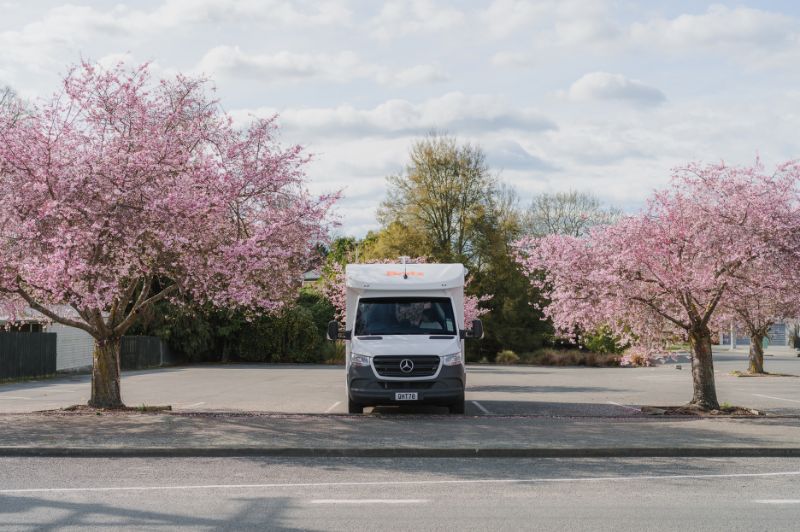
Spring brings a fresh energy to the road. From the subtropical north to the mountain valleys of Central Otago, you’ll see wildflowers blooming, fruit trees bursting into colour, and hillsides that shift from pale green to vibrant pasture in just a few weeks.
It’s also when New Zealand’s famous Great Walk season kicks off. Tracks like the Milford, Routeburn and Tongariro Northern Circuit officially reopen from late October, with upgraded facilities and bookings required. For walkers planning a multi-month trip, this is an ideal window to lace up the boots and head for the trails.
On the practical side, spring usually means shoulder-season prices across most campgrounds and activities. While it’s not as quiet as winter, it’s certainly less hectic than summer, which makes it easier to find a good site without booking months ahead.
Challenges of long-term RV travel in spring
Spring weather is famously changeable. October can bring sudden southerly fronts that sweep up the country, bringing a mix of rain, sleet or even snow at higher elevations. One day might call for sunscreen, the next for your puffer jacket.
Road repairs are also common in spring, as crews work to clear slips and fix potholes left behind by winter. While most closures are well signposted, they can add a few detours to your route – another good reason to check updates before you hit the road.
RVSC tip: Before heading off each day, follow real-time road alerts and weather updates with the thl Roadtrip app – available on Google Play and iTunes.
Spring verdict: A great pick for walkers and photographers who want blossoms, comfortable temperatures and shoulder-season savings – without the summer crowds.
Planning your long-term route
When you’ve got several weeks (or even months) to play with, the route you choose can make a big difference – not just to the scenery, but to how comfortable and cost-effective your travels are across the seasons.
North to south
One popular approach is the North-then-South route. Starting in the North Island during spring means milder weather, fewer weather-related disruptions, and an early taste of seasonal events and outdoor activities. If you time it right, you can cross the Cook Strait by early December and catch the start of the South Island summer – ideal for beaches, hiking, and long daylight hours.
South to north
The South-then-North route works well for travellers who don’t mind the cold and want to start with snow sports or quieter roads in the south. You’ll see a completely different side of the country and can follow the warmer weather northward as winter eases. By late August, the North Island begins to thaw, and spring wildflowers start to appear.
Managing your travel
Whichever direction you go, it pays to keep your travel days manageable. Limiting your daily driving to four hours helps you avoid fatigue and gives you more time to actually enjoy the places you pass through.
A good rhythm for long-term trips is to alternate two driving days with one full rest day. It’s a chance to explore local towns, refill your supplies, and take care of any motorhome maintenance – or just stretch out with a decent coffee and no agenda.
READ MORE: For more helpful tips, check out our ultimate guide to long-term RV travel in New Zealand.

Budgeting and bookings
Long-term RV travel can be surprisingly cost-effective – if you know when and where to spend. Seasonal pricing plays a big role in how much you'll pay for things like campsites and vehicle hire, so planning around those shifts can help you make the most of your budget. Here's what to keep in mind:
- Holiday parks and DOC campsite fees change with the seasons. Peak summer months (especially late December through January) come with the highest rates. In contrast, winter and shoulder seasons often bring noticeable savings.
- Off-peak travel opens up more affordable options. Outside of summer, you’ll find discounted nightly rates, off-season promotions, and more flexibility at both holiday parks and DOC campsites.
- Summer bookings need to happen early. If you're travelling from December to February, book popular campgrounds at least 3–6 months ahead. Early-bird deals or multi-night discounts may be available if you plan ahead.
- Mixing campground types can help stretch your budget. Combining fully serviced holiday parks with basic DOC campsites or responsible freedom camping (where permitted) is a common strategy among long-haul travellers.
- Plan for a few splurges. Factoring in the occasional powered site, laundry stop, or campground with top-tier facilities gives you a chance to recharge – both literally and figuratively.
Gear checklist by season
When you’re spending weeks or months on the road, having the right gear for the season makes a huge difference to your comfort – and your sanity! Whether it’s blocking out the midday sun or staying warm through a frosty night, a well-kitted motorhome can handle just about anything the weather throws at it. Here’s a seasonal breakdown of must-haves to keep in your setup:
- Summer: With long daylight hours and high UV levels, shade and ventilation are key. An awning sun-screen helps cut down the heat during the hottest part of the day. Insect screens are also worth packing, particularly in coastal or lakeside areas. Carrying extra fresh-water storage is handy too, especially if you’re freedom camping or staying off-grid for a few days.
- Autumn: As nights get cooler and the weather turns more changeable, thermal bedding makes a noticeable difference. Waterproof layers – both clothing and external covers – will help keep you dry during passing showers or damp mornings.
- Winter: This is where heating becomes essential. A diesel heater kit will keep your motorhome cosy, even in alpine regions. Thermal blinds help retain heat and reduce condensation, and snow chains are a must if you’re heading into mountain areas or ski fields.
- Spring: This is a transitional season, so pack with flexibility in mind. Lightweight rainwear will cover you for sudden showers, and a tyre-pressure gauge is helpful as temperatures change – affecting both pressure and fuel efficiency.
For a deeper dive into setting up your campervan for comfort and practicality, check out our guides on what you need for the ultimate RV campsite set-up and must-have motorhome items to be prepared for anything.
Ready to hit the road – for the long haul?
No matter when you choose to travel, having the right setup can make every season easier, more comfortable, and a whole lot more enjoyable. Whether you’re gearing up for summer swims or winter stargazing, RV Super Centre has the accessories, seasonal gear and motorhomes to match your plans.
Explore our full range of motorhomes for sale, browse seasonal accessories to upgrade your setup, or dive into more guides and tips to help plan your next trip.