Living the van life: Tips for a 2–3 month RV adventure in NZ
Author: The Good Guides Date Posted:15 December 2025
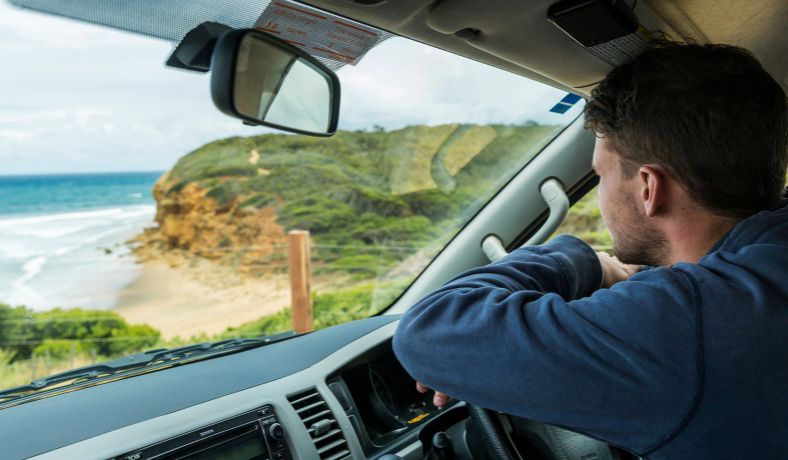

Planning a couple of months on the road in your campervan? There’s no better place to do it than right here in New Zealand. Whether you're heading off from the North Island, South Island, or somewhere in between, this kind of trip gives you the time to slow things down and see more than just the usual highlights. You can take the long way round, stop when you feel like it, and really make the most of the freedom that van life in NZ is all about.
But before you hit the road, it’s worth taking a bit of time to plan. From choosing RV-friendly campsites NZ-wide to stocking up on campervan essentials NZ travellers swear by, this guide is packed with practical tips to help make your 2–3 month trip not just doable – but genuinely enjoyable.
Planning your route
With 2–3 months to play with, you’ve got the luxury of time – but it still helps to have a rough plan. Whether you focus on one island or explore both, here are a few things to consider when mapping out your route.
North Island highlights
If you're sticking to the North Island, a loop from Auckland works well. You might include:
- The Coromandel Peninsula for beaches and walks
- Rotorua and Taupō for geothermal stops and lakeside campsites
- Tongariro National Park for alpine hikes and volcanic landscapes
- Taranaki or the Wairarapa for quieter coastal drives
- Wellington as a great finishing point or ferry connection
There’s a wide network of RV-friendly campsites NZ-wide, and plenty of regional detours worth taking if you’ve got time.
South Island route ideas
For the South Island, many travellers start in Christchurch and work their way around the island. Some standout stops include:
- The West Coast for rugged coastlines and glacier country
- Aoraki Mount Cook for alpine views and stargazing
- Central Otago for its wide-open spaces and local produce
- Abel Tasman and Golden Bay for coastal walks and kayaking
.png)
Covering both islands
If you’ve got time to see both islands, you can do a figure-eight loop using the Interislander or Bluebridge ferry. Just make sure you allow enough time to really enjoy each section – while it’s tempting to pack in everything, it’s better to spend longer in fewer places than to be constantly on the move.
Tips for pacing your trip
Your pace will depend on how you like to travel. If you prefer settling in and soaking up each spot, build in two or three nights per stop. If you like to keep things moving, just make sure to allow for a few longer stays here and there – handy for laundry days, van maintenance, or just taking a break from driving.
Try not to plan every detail in advance. The flexibility of van life in NZ means you can adjust as you go, especially if the weather shifts or you come across a spot worth staying longer.
Think about the seasons
Timing can make a big difference. The best seasons to explore New Zealand vary by region, but here’s a general guide:
- Summer (Dec–Feb): Warmest months and the busiest season
- Autumn (Mar–May): Quieter roads, settled weather, good for hiking
- Winter (Jun–Aug): Colder conditions, especially in the South, but fewer crowds
- Spring (Sep–Nov): A good in-between – longer days and spring blooms
Whatever the season, it pays to check local forecasts and road conditions regularly, especially in more remote areas.
Essential gear for long-term RV living
When you’re spending a few months living out of your campervan, the right gear can make a big difference. It’s not about cramming in everything you own – it’s about packing smart and choosing things that help life on the road run smoothly. Here are some essentials worth having on board for longer trips.
Power that lasts
A reliable power source is essential when you're staying off-grid or doing a bit of freedom camping NZ-style. Investing in good-quality solar panels and portable power options means you can keep the lights on, charge devices, and run appliances without always relying on powered sites. A solar setup also helps keep your battery topped up between drives.
(1).png)
Water storage that works
Longer trips often mean longer distances between top-ups. A solid water storage solution is a must, especially if you're planning remote stops or want to reduce how often you need to refill. Look for tanks that are easy to install and clean, and consider adding a grey water tank if you don’t already have one.
Make the most of your space
Space can feel tight when you're living in a van full-time, so smart storage is key. Stackable bins, drawer organisers, and hanging shelves can help keep things tidy and easy to find. Look for lightweight options that won’t rattle around on bumpy roads.
Stay comfortable on the move
Comfort goes a long way on a long trip. Good bedding, some decent outdoor furniture, and reliable cooking gear can make life on the road feel a lot more relaxed. Items like a quality mattress topper or thermal window covers can also make a big difference, especially during cooler months.
Be prepared for the unexpected
Safety gear isn’t something you want to overlook. A well-stocked first-aid kit, fire extinguisher, jumper leads, and a torch should all be part of your kit. It’s also worth having basic tools and a tyre repair kit onboard – they’re the kind of things you hope you won’t need, but you’ll be glad to have them if you do.
READ MORE: Check out our handy guide on must-have motorhome items to be prepared for anything – it’s a great starting point for making sure your gear list is sorted.
Managing daily life on the road
Living in a campervan full-time comes with plenty of rewards, but it also means finding new ways to handle the everyday stuff – like cooking, cleaning, and staying connected. A bit of planning (and a few handy routines) can go a long way in keeping things comfortable and stress-free over a longer trip.
Keep cooking simple
A good set of basics – a couple of quality pans, a sharp knife, and stackable containers – can make all the difference in a small kitchen. Stick with meals that don’t need too many ingredients or dishes, and make the most of local produce as you go. Having a couple of go-to one-pot meals can be a real timesaver on busy travel days.
.png)
Stay on top of cleaning and laundry
Cleaning as you go helps keep things manageable. Wipe down surfaces daily, shake out mats, and keep a small bin or bag for rubbish and recycling. For laundry, laundromats are easy to find in most towns – apps like the thl Roadtrip app can help you track them down. A collapsible laundry basket and a few pegs for drying gear inside the van on rainy days also come in handy.
Make space for yourself
Living in close quarters means personal space can sometimes be in short supply. Try giving each other solo time – whether it’s heading out for a walk, reading, or just having quiet time in different parts of the van. Having separate storage spaces can help too, so you're not always reaching over each other to find things.
Routines that keep things flowing
Having a bit of structure to your days can help avoid burnout, especially over longer trips. That might mean planning driving days in advance, setting aside time for regular chores, or blocking out time for relaxing and doing absolutely nothing. You don’t need a strict schedule – just a rhythm that works for you.
It’s also okay to stop. If things feel a bit too hectic, slow down, stay a few extra nights somewhere, and reset. That’s one of the biggest benefits of this way of travelling – the flexibility to adjust when you need to.
(1).png)
Water and waste: what you need to know
When you’re on the road long term, it’s important to manage your water use carefully – especially if you're freedom camping. Our guide to using water in your motorhome has loads of practical tips on filling, conserving, and disposing of water safely.
Toilet use is another part of daily life you’ll want to get comfortable with early on. If you're new to it (or just need a refresher), our ultimate guide to your motorhome toilet covers everything from emptying cassettes to keeping things clean and odour-free.
Motorhome maintenance tips
A bit of regular motorhome maintenance goes a long way when you’re on the road for a couple of months. It doesn’t take much time, but it can save you from bigger issues (and bills) later on. Here are a few simple checks and tips to help keep your motorhome running smoothly:
- Check the basics weekly – Keep an eye on tyre pressure, oil and coolant levels, brake and indicator lights, and battery health.
- Keep a few tools onboard – A basic toolkit, torch, jumper leads, and a tyre repair kit can be lifesavers if something goes wrong.
- Learn a few DIY fixes – Knowing how to change a fuse, clean air filters, or top up fluids can save time and roadside calls.
- Be roadside ready – Store contact details for your roadside assistance provider (AA Roadservice is a good local option), and make sure your insurance and WOF are current.
- Stay ahead of issues – These 5 useful tips to avoid motorhome repairs are a great starting point for keeping your van in top shape.
Where to stay: campsites, holiday parks, and freedom camping
One of the best things about travelling by campervan in New Zealand is the range of overnight options.
- Holiday parks often come with powered sites, hot showers, laundry facilities, and easy access to local attractions – ideal when you’re ready for a few comforts.
- On the flip side, freedom camping gives you the flexibility to stay in more remote or scenic spots, often for free, but you’ll need to be fully self-contained and follow local council rules. It’s worth mixing both into your itinerary, depending on your needs and how off-grid you want to go.
- DOC campsites are also a great low-cost option if you’re after something more low-key.
There are plenty of useful tools to help you find the right spot each night. Apps like CamperMate and the thl Roadtrip app show RV-friendly campsites NZ-wide, including dump stations, petrol stations, and reviews from other travellers.
Once you’ve found your spot, having a well-organised set-up can make all the difference. Our guide on what you need for the ultimate RV campsite set-up has some handy tips to help you settle in quickly.
.png)
Budgeting and costs
Travelling by campervan for a couple of months doesn’t need to break the bank – but it does help to have a rough idea of what things will cost, and a few tricks to keep your budget on track. Here are some key expenses to plan for, plus tips to help stretch your dollars further.
- Fuel – One of the biggest ongoing costs. Planning your route to avoid too much backtracking can help save on mileage.
- Campsite fees – Holiday parks can range from $25–$60+ per night, while DOC campsites and some council-run sites are more affordable. Freedom camping is free, but only for certified self-contained vehicles.
- Food – Cooking in the van is usually cheaper than eating out. Stock up at supermarkets, local farmers’ markets, or bulk stores where you can.
- Entertainment – Many outdoor activities in New Zealand are free or low cost – think walking tracks, beaches, and scenic drives. Budget separately for paid attractions, tours, or gear hire.
- Unexpected costs – Set aside a buffer for things like vehicle maintenance, medical supplies, or weather-related changes to your plans.
If you’re looking to cut costs and stay out of campgrounds more often, this complete guide to off-grid living in your motorhome is full of helpful ideas to help you stay self-sufficient and comfortable.
Sustainable and respectful travel
Long-term travel means you’ll be visiting a wide range of communities and natural environments, so it’s worth thinking about the impact you leave behind. A few small habits can help protect the places you’re exploring – and make sure they’re just as special for the next traveller.
- Follow Leave No Trace principles – Take all rubbish with you, stick to marked tracks, and camp only where it’s permitted.
- Be smart with waste – Use designated dump stations for grey water and toilet waste, and recycle where possible. Keep a small container in the van for sorting as you go.
- Conserve water and power – Switch to energy-efficient lighting, limit water use when washing up or showering, and take advantage of solar power if you have it.
- Respect local communities – Support small businesses, follow local guidelines (especially when freedom camping), and be considerate when parking near residential areas.
- Be mindful around wildlife – Observe animals from a distance, don’t feed them, and keep noise levels low when you’re parked near conservation areas.
.png)
Ready to hit the road?
Spending a few months exploring New Zealand by campervan is a unique experience – one that gives you the freedom to slow down, see more, and travel on your own terms. With the right prep, a bit of flexibility, and a solid checklist of essentials, long-term van life can be both manageable and deeply rewarding.
If you’re getting ready for your next trip (or just starting to plan), take a look through RV Super Centre’s full range of RV accessories and products and how-to guides for motorhome travellers. Whether you're after gear, maintenance tips, or campsite planning help, you’ll find plenty to get you road-ready.